
How Philippine SMEs Can Integrate Sustainability Into Their Business Strategy
Sustainability is no longer a buzzword reserved for multinational corporations. For Philippine small and medium enterprises (SMEs), it is fast becoming a business imperative. It’s one tied directly to regulatory compliance, market access, and long-term competitiveness.
The numbers tell a compelling story. As of the end of 2024, the Philippines had approximately 1.2 million MSMEs, representing 99.6% of all registered establishments in the country (Manila Bulletin Newsroom, 2025). These businesses are the backbone of the Philippine economy, yet many are still navigating what sustainability truly means in practice and how to begin.
This article walks Philippine SMEs through practical steps to integrate sustainability into their core business strategy, while staying compliant with emerging regulatory requirements.
Why Sustainability Matters Now for Philippine SMEs
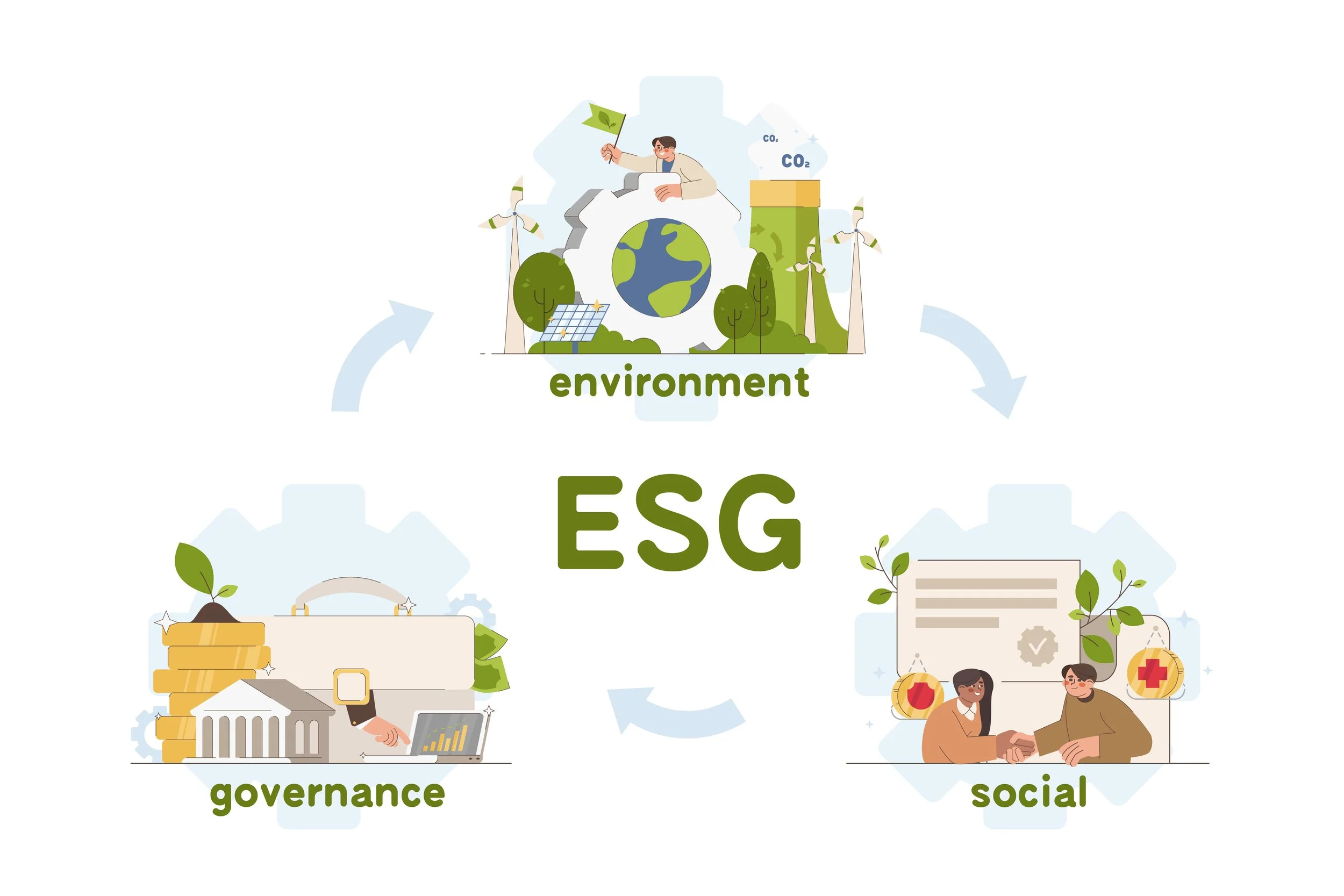
Image Credit: Magnific
For years, sustainability was treated as a large-company concern. But this perception is shifting quickly, driven by three key forces:
Regulatory Pressure Is Building
In December 2025, the Philippine Securities and Exchange Commission (SEC) issued Memorandum Circular No. 16, Series of 2025, formally adopting mandatory sustainability reporting aligned with the International Sustainability Standards Board (ISSB) framework (One Asia Lawyers, 2026). This replaced the old voluntary "comply or explain" model with enforceable sustainability disclosure obligations. While the initial tiers focus on publicly listed and large non-listed companies, the regulatory direction is clear: sustainability reporting is becoming the standard across all business sizes.
Supply Chain and Market Access Requirements
Philippine SMEs that participate in global and regional supply chains are increasingly required by their larger partners to demonstrate environmental, social, and governance (ESG) credentials (Dagooc, 2026). With ASEAN markets like Singapore and Malaysia already ahead in ISSB-aligned reporting (Socious, 2026), Philippine SMEs supplying these markets face growing pressure to align.
Consumer and Investor Expectations Are Evolving
Filipino consumers and investors are more attuned than ever to sustainability performance (YouGov, 2018). SMEs that demonstrate responsible business practices, from waste reduction to fair labor standards, build stronger brand trust and attract a wider pool of stakeholders.
Step 1: Understand What Sustainability Means for Your Business
Sustainability in business is not just about being "green." It encompasses three interconnected dimensions:
Environmental: How your operations impact natural resources, energy use, waste generation, and carbon emissions.
Social: How your business treats employees, engages with the local community, and contributes to social equity.
Governance: How your business is managed, including financial transparency, ethical conduct, and accountability structures.
For Philippine SMEs, the starting point is an honest assessment of where you currently stand across these three pillars. You do not need to excel in all areas at once but you do need to know where the gaps are.
Step 2: Start with What You Can Measure
One of the most common barriers SMEs face when approaching sustainability is the perceived complexity of the task. The Association of Certified Public Accountants in Public Practice (ACPAPP) has noted that unlike larger organizations, most SMEs lack the time, knowledge, and resources to tackle broad sustainability challenges all at once (Desabelle-Tibubos, 2023).
The practical solution is to start small and measurable:
Track your monthly electricity and water consumption
Monitor waste generated and how much is recycled or reused
Document your workforce composition including gender balance and local hiring rates
Review your supplier relationships for any environmental or labor concerns
These baseline metrics form the foundation of any sustainability report and give you a clear picture of where improvements can deliver the most impact.
Step 3: Align Your Strategy With the ESG Framework
Once you have baseline data, the next step is embedding sustainability goals directly into your business strategy, not treating it as a separate corporate social responsibility (CSR) exercise.
Practical actions include:
Environmental Goals: Commit to measurable targets such as reducing energy consumption by a specific percentage year-on-year, transitioning to LED lighting or energy-efficient equipment, reducing single-use plastics in operations, or engaging suppliers who apply environmentally responsible practices.
The Extended Producer Responsibility (EPR) Law in the Philippines provides a legal framework for large enterprises and SMEs operating under the same brand name as larger companies with a total value exceeds that of medium enterprises, particularly in manufacturing, retail, and food service, to transition toward greener supply chains. While smaller enterprises are legally exempt, they are highly encouraged to practice EPR voluntarily or join Producer Responsibility Organizations (De Pedro, n.d.). Research by the Philippine Institute for Development Studies (PIDS) concluded that the EPR framework is a practical tool for SMEs to shift toward a green business ecosystem.
Social Goals: Invest in employee development, ensure fair wages and benefits, support local communities through ethical sourcing, and build inclusive hiring practices. These are not just values, they are markers of business resilience.
Governance Goals: Strengthen internal controls, maintain accurate and transparent financial records, and document key business decisions. Robust governance is what gives stakeholders, including lenders, investors, and regulators, the confidence to support your business.

Image Credit: Magnific
Step 4: Prepare for Sustainability Reporting
Even if your SME is not yet legally required to file a sustainability report, preparing for it now offers a significant competitive advantage.
The SEC's new PFRS S1 and S2 standards, adopted through MC No. 16, Series of 2025, require covered companies to disclose sustainability-related financial information and climate-related risks (P&A Grant Thornton, 2026). While the current rollout is tiered and focused on listed and large non-listed entities, smaller businesses that supply to or partner with these covered companies will inevitably face downstream disclosure requirements.
The Global Reporting Initiative (GRI), through its SPARK initiative in partnership with the Department of Trade and Industry (DTI), has already piloted sustainability reporting support for Filipino SMEs, recognizing that with an estimated 70 million MSMEs in ASEAN making up 85% of employment and nearly a fifth of regional exports, the sector cannot be left out of the sustainability transition (GRI, 2024).
Getting your records in order today, such as financial statements, internal controls, operational data, means you will be ready to report when required, rather than scrambling to catch up.
Step 5: Seek Professional Advisory Support
Sustainability integration involves financial reporting, internal controls review, regulatory compliance, and strategic planning. These are all areas where professional guidance makes a significant difference.
At MGM & Co., we understand that for SMEs, every peso spent on advisory services must deliver tangible value. Our team of competent professionals provides:
Financial Statement Assurance: Ensuring your financial reporting accurately reflects your business performance and meets applicable standards, including emerging sustainability-linked disclosures.
Internal Control Reviews: Identifying gaps in your operational and financial controls that could expose your business to risk, whether regulatory, operational, or reputational.
Business Advisory Services: Helping you build a sustainability strategy that is realistic, measurable, and aligned with your business goals.
Whether you are a local SME taking your first steps toward ESG integration or a global company looking to establish or expand operations in the Philippines, MGM & Co. is equipped to provide the pioneering business solutions you need in auditing, taxation, and business consulting.
The Bottom Line: Sustainability Is a Business Investment
Integrating sustainability into your business strategy is not simply about compliance. Research consistently shows that businesses with strong ESG practices achieve better long-term financial performance, stronger stakeholder relationships, and greater operational resilience.
For Philippine SMEs, the window to act proactively, before mandates cascade further down the business ecosystem, is now. The regulatory environment is moving in one clear direction, and the businesses that build sustainable practices into their foundations today will be the ones best positioned for growth tomorrow.
MGM & Co. is an accounting and business advisory firm dedicated to providing quality and timely professional services. We help Philippine businesses navigate financial reporting, internal controls, and business strategy, including the evolving landscape of sustainability and ESG compliance.
